
March not only welcomes some warmer weather (hopefully), but it also marks the return of some brighter, fresher foods that can add both nutrition and variety to our meals.
Early spring produce like citrus fruits, spinach, and carrots offer vitamins, fiber, and antioxidants that support our energy and immune health. Choosing seasonal produce can also help stretch your grocery budget. These foods are easy to incorporate into simple dishes—give one or two a try this month:
Seasonal Produce for the Month of March
- Toss orange or grapefruit segments into green salads for a bright, juicy contrast.
- Spoon citrus over grilled chicken or fish to add freshness without extra sauce.
- Fold segments into yogurt or cottage cheese for a quick, naturally sweet breakfast.
- Stir a handful into warm pasta or soup so it wilts instantly.
- Layer fresh leaves into sandwiches or wraps for extra crunch and nutrients.
- Blend spinach into smoothies for a mild, veggie‑boosted base.
- Shred carrots into salads or slaws for crunch and sweetness.
- Add sliced carrots to stir‑fries so they soften but stay vibrant.
- Roast carrot chunks with olive oil and spices as an easy side
Let’s Talk Vitamin D
After months of limited sunlight, many older adults find their vitamin D levels dipping lower than expected. Did you know that the newest studies estimate two-thirds of the US population has a Vitamin D deficiency?!
What Is Vitamin D & Why Do We Need It?
Vitamin D is both a nutrient we eat and a hormone our bodies make. It is a fat-soluble vitamin that has long been known to help the body absorb and retain calcium and phosphorus; both are critical for building/maintaining healthy bones. Also, laboratory studies show that vitamin D can reduce cancer cell growth, help control infections, and reduce inflammation in the body.
There Are Three Ways to Get Vitamin D

Most people don’t spend enough time in the sun for their body to synthesize enough of the vitamin on a daily basis, especially when we live further from the equator. Additionally, it’s hard to get enough vitamin D through diet alone because there are few foods with a sufficient quantity.
How Much Do We Need?
Those who are between one and 70 years old: 600 IU/day
Those who are over 70 years old: 800 IU/day

Which Foods Have Vitamin D?
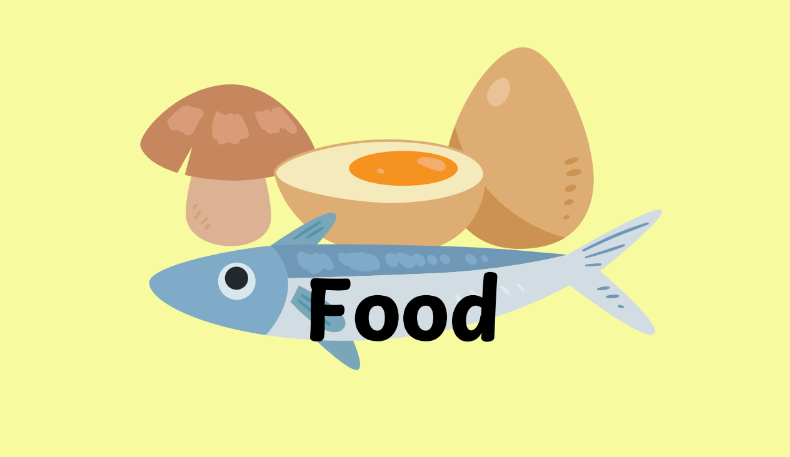
- Cod Liver Oil (1 Tbsp) = 1360 IU
- Swordfish (3 oz, cooked) = 566 IU
- UV Mushrooms (5-6, med) = 550 IU
- Salmon (3 oz, cooked) = 447 IU
- Tuna Fish (3 oz, canned) = 154 IU
- Orange Juice (fortified) (1 cup) = 137 IU
- Milk (fortified) (1 cup) = 115 – 124 IU
- Yogurt (fortified) (6 oz) = 80 IU
- Sardines (2, canned) = 46 IU
- Beef Liver (3 oz) = 42 IU
- Egg Yolk (1) = 41 IU
- Fortified Cereals (¾ – 1 cup) = 40 IU
How Do I Know if I Am Getting Enough?
March is a great time to talk to your doctor about testing your blood. They may recommend supplements if your levels are below optimal.
Easy Recipe: Quick and Healthy Tuna Bowl
Add 1 handful of greens to a bowl.
Top w/ a can of (drained) tuna and 1 small diced cucumber.
Drizzle w/ olive oil & lemon, then season with salt & pepper.
A healthy dose of Vitamin D!
Nutrition Classes
This month’s topic is Meal Planning on a Budget. We’ll discuss affordable nutrient-dense foods and pantry staples for quick, healthy meals.
Hechtman: Wednesday, March 18 @ 11am
Oak Park: Thursday, March 19 @ 12:30pm (at Teitel)
Meer: Monday, March 30 @ 1pm
Snacks are provided, hope to see you there!
~ Elizabeth
By Elizabeth Freyre, RDN
EMAIL: efreyre@jslmi.org
PH: 248.234.2140